Las películas pueden ayudar a las familias a hablar sobre sentimientos difíciles como el duelo, especialmente con los niños. Hay muchas películas excelentes disponibles que abordan este delicado tema con cuidado. Disney y Pixar son conocidos por retratar emociones realistas y desafíos psicológicos que conllevan pérdidas y otras experiencias dolorosas.
Las películas a menudo sirven como una forma para que los cineastas trabajen en sus propias experiencias de pérdida. Cada director y escritor maneja este delicado tema de manera diferente, aportando su perspectiva única. Algunas películas exploran la muerte indirectamente, utilizando animales o animaciones para representar la pérdida, mientras que otras se centran en cómo los personajes afrontan el dolor, mostrándolo como sentimientos de culpa o soledad y desafiando cualquier vergüenza asociada con esos sentimientos. Y algunas películas incluso profundizan en lo que podría suceder después de la muerte, tanto de manera realista como imaginativa.
Como amante del cine, he notado algunas películas infantiles realmente hermosas que abordan la pérdida de una manera sorprendentemente útil para todos, no solo para los niños. Estas películas no temen explorar suavemente el dolor y creo que eso es importante. Parecen ofrecer un espacio compartido para pensar en algo doloroso, pero totalmente normal, por lo que todos pasamos.
James y el melocotón gigante (1996)
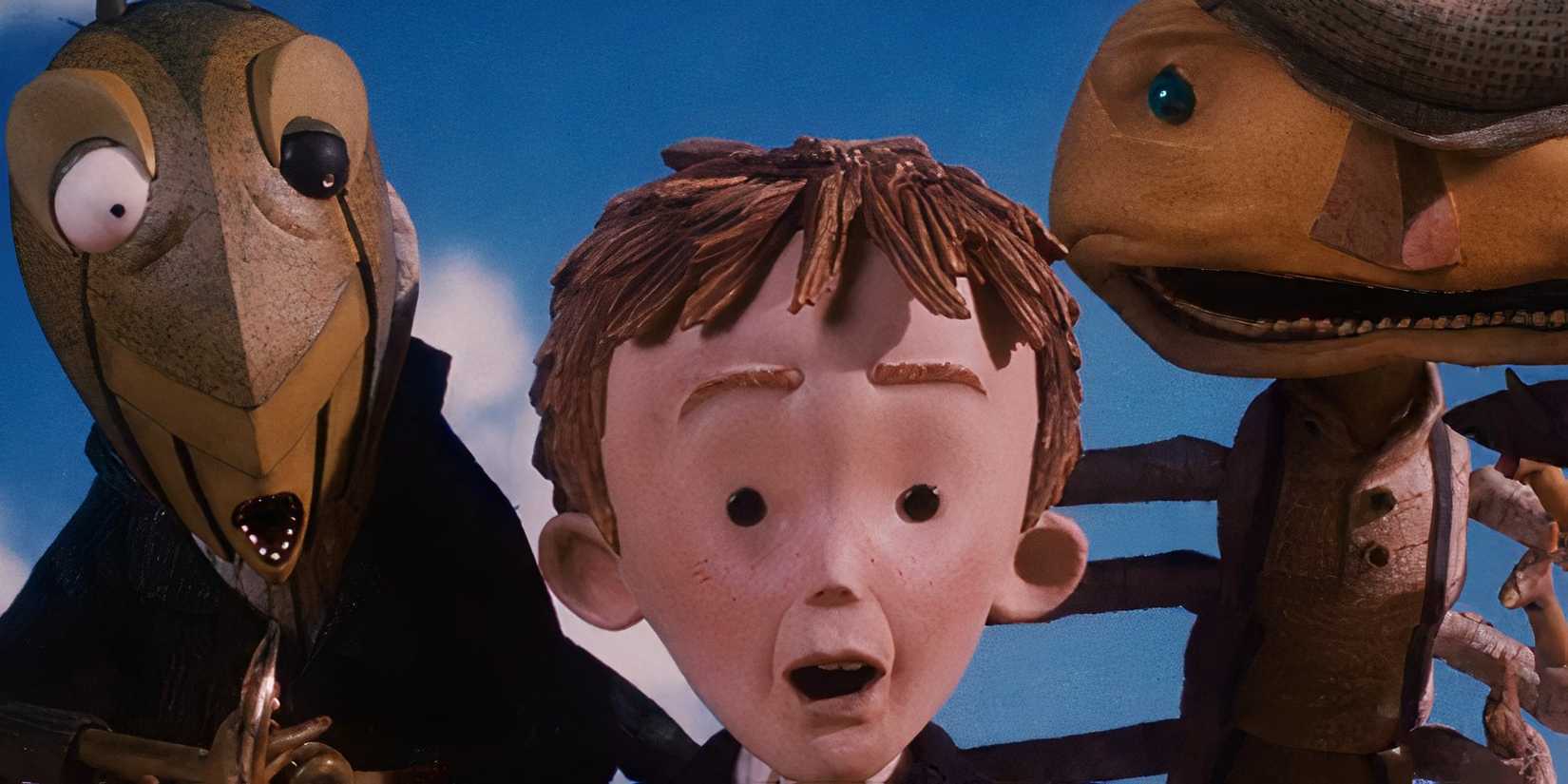
La versión cinematográfica de 1996 de James and the Giant Peach de Roald Dahl, dirigida por Henry Selick (quien también dirigió Coraline), abarca los temas a menudo inquietantes y más oscuros de la historia.
Bien, entonces esta película realmente me afectó. Comienza con este pobre niño, James, que queda huérfano cuando sus padres son trágicamente asesinados por un rinoceronte… ¡en serio, un rinoceronte! Termina atrapado con estas horribles tías, y toda la historia se sintió como una manera hermosa y triste de mostrar cómo está lidiando con esa pérdida y creciendo demasiado rápido. ¡Es sorprendente porque básicamente escapa a este increíble mundo de fantasía y emprende esta salvaje aventura dentro de un melocotón gigante con estos insectos parlantes! Pero incluso en ese lugar mágico, está perseguido por este rinoceronte sombrío en el cielo, lo cual creo que es una forma muy inteligente de mostrar que no puedes escapar del dolor, simplemente te sigue en diferentes formas.
El rinoceronte simboliza la tristeza constante y abrumadora de James y su comprensión de que eventualmente morirá. Pero el melocotón y sus compañeros le brindan el cuidado, el cariño y la fuerza que necesita para afrontar su tristeza y superarla.
Nena (1995)
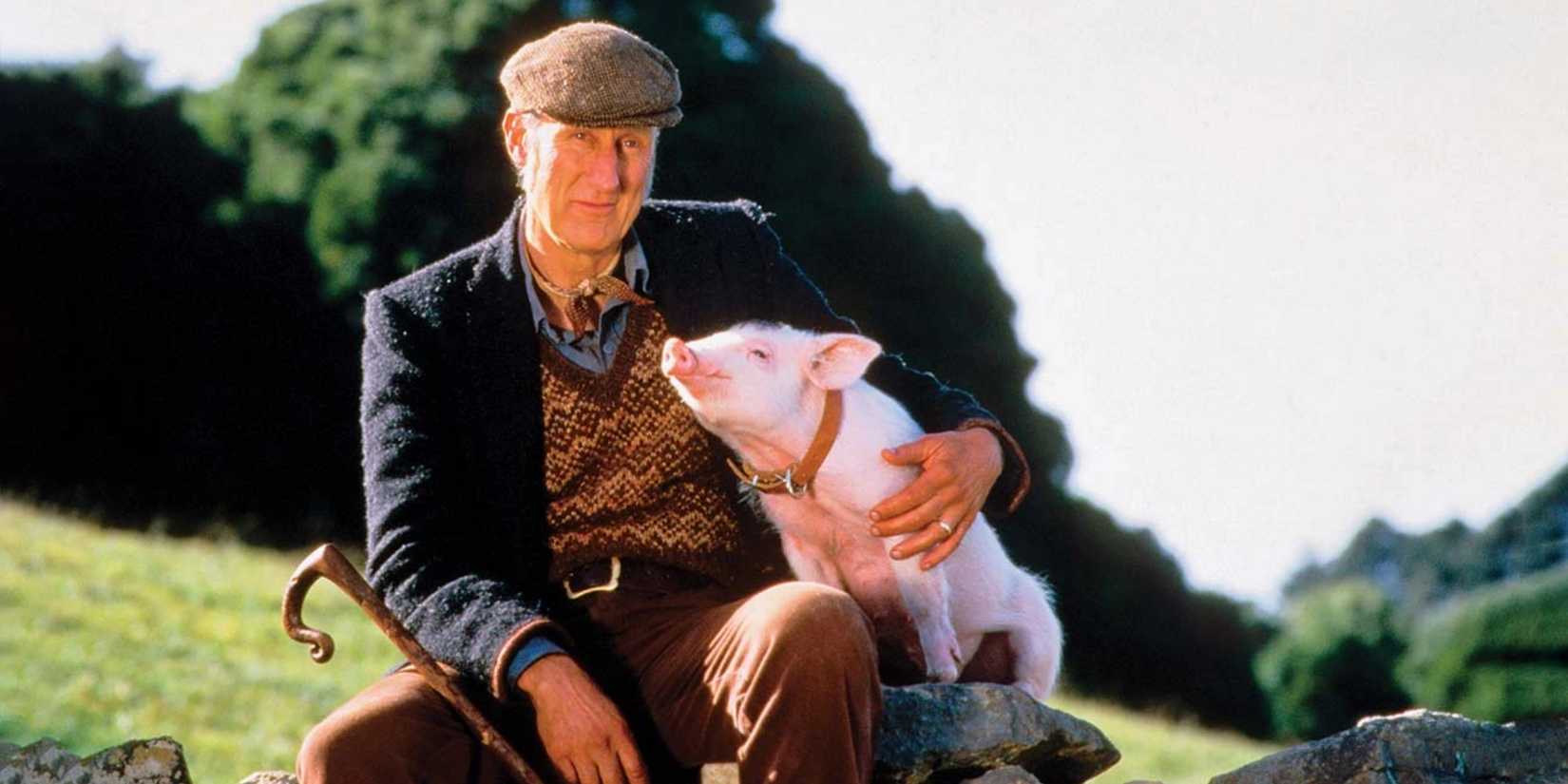
Farms often provide children with their first experiences of death. The movie Babe subtly hints at the pig’s eventual fate as a food source, creating a sense of vulnerability. The film directly addresses loss when a group of wild dogs attack and kill Maa, an older sheep. Babe is deeply affected by the loss of this motherly figure, becoming unable to eat, drink, or even move due to his grief.
A kind farmer, determined to help his sick pig, playfully sings and dances. This cheerful show of affection reminds Babe that even when you’re heartbroken, you can still find strength and take care of yourself. The pig slowly recovers, highlighting how important support from others is when you’re grieving.
Hugh Jackman’s 2026 farmyard murder-mystery, The Sheep Detectives, has been likened to Babe.
Onward (2020)
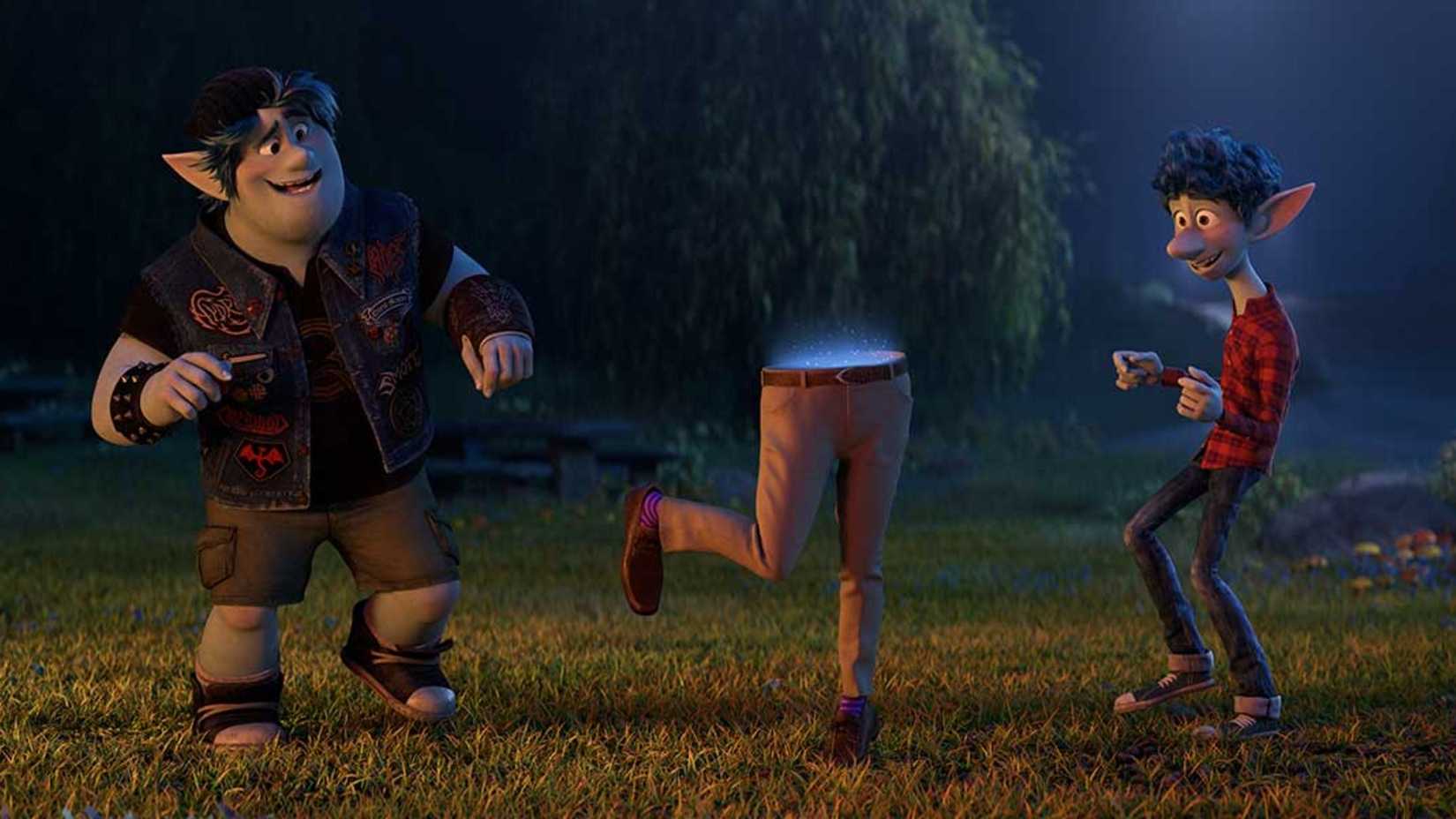
Disney-Pixar’s heartwarming animated film, Onward, was inspired by director Dan Scanlon’s own experiences with loss. The story follows elf brothers Ian (voiced by Tom Holland) and Barley (Chris Pratt) as they go on a magical quest. They’re trying to bring their father back to life with a spell, but a mishap only restores his legs, leading to a funny and touching adventure.
Ian is excited to finally meet the father he never really knew, as he was too young to remember him. Barley, on the other hand, is determined to say one last goodbye to the dad he deeply loved and lost. This emotional core resonates with director Scanlon, who also lost his father in a car accident when he was very young – he was just one year old, and his brother was three (according to The Guardian).
The movie Onward beautifully portrays how two brothers cope with grief – one mourning a parent who’s gone, and the other wishing they’d known a parent they never met. This fantastical story feels incredibly relatable and genuine, especially for anyone who has experienced loss. The film’s title itself encourages viewers to keep moving forward, even when things are difficult.
Charlotte’s Web (2006)
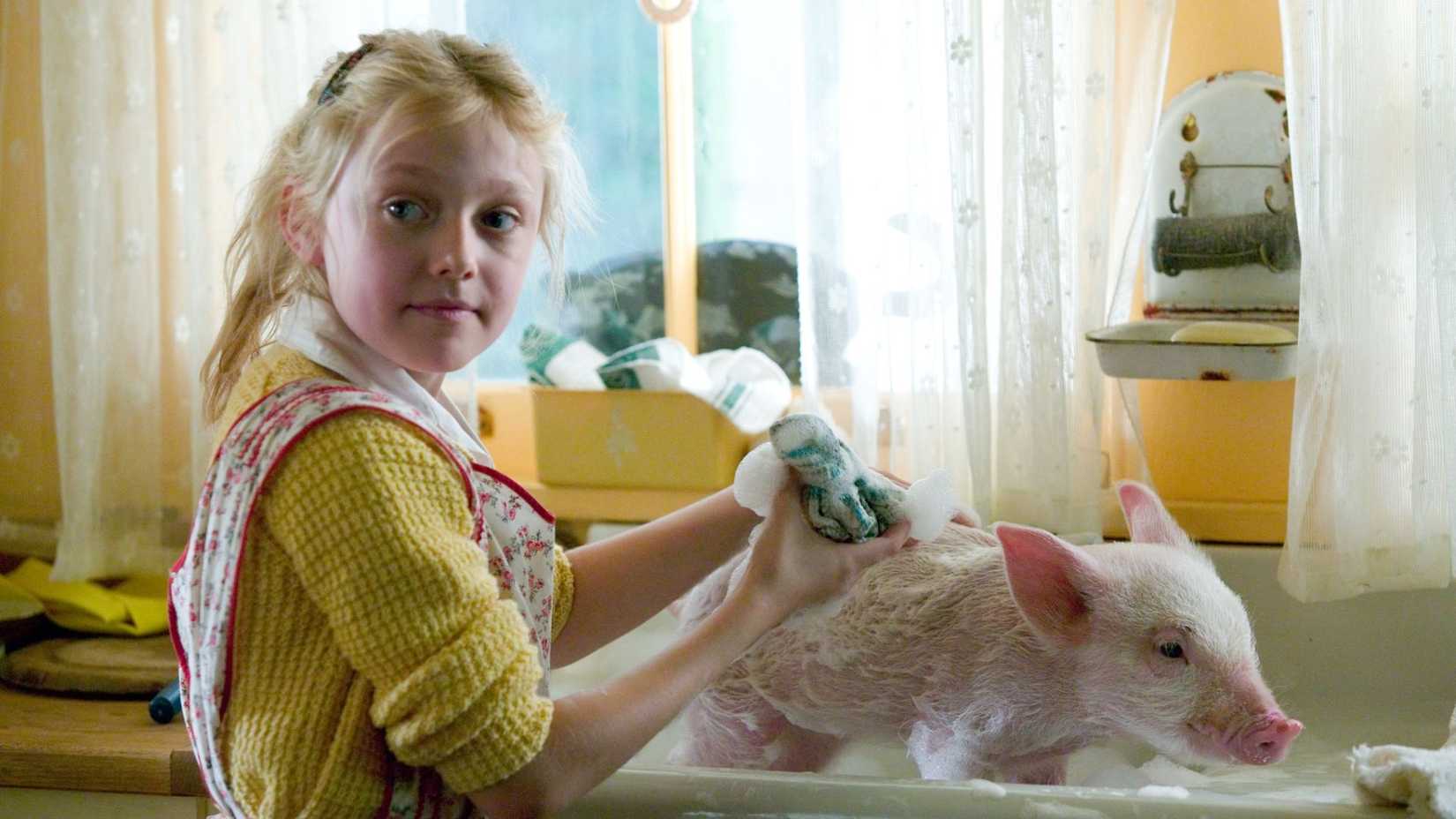
The movie Charlotte’s Web (2006), based on the classic children’s book by E.B. White, tells the story of Wilbur, a pig who becomes friends with a spider named Charlotte. Charlotte uses her skills to save Wilbur from being slaughtered, but he still faces sadness when Charlotte eventually dies of old age.
The movie shows Wilbur facing the possibility of death as frightening, but Charlotte’s death is presented as calm and accepting. Charlotte welcomes death and gently explains it to Wilbur as a normal part of life. Charlotte’s Web helps young viewers understand loss by using Wilbur to represent them, and it shows how natural it is to grieve.
In the end, Wilbur finds new meaning in life by looking after Charlotte’s children, always remembering his dear friend. Director Gary Winick beautifully captured the emotional core of this story in the 2006 Paramount Pictures film.
The Lion King (1994)
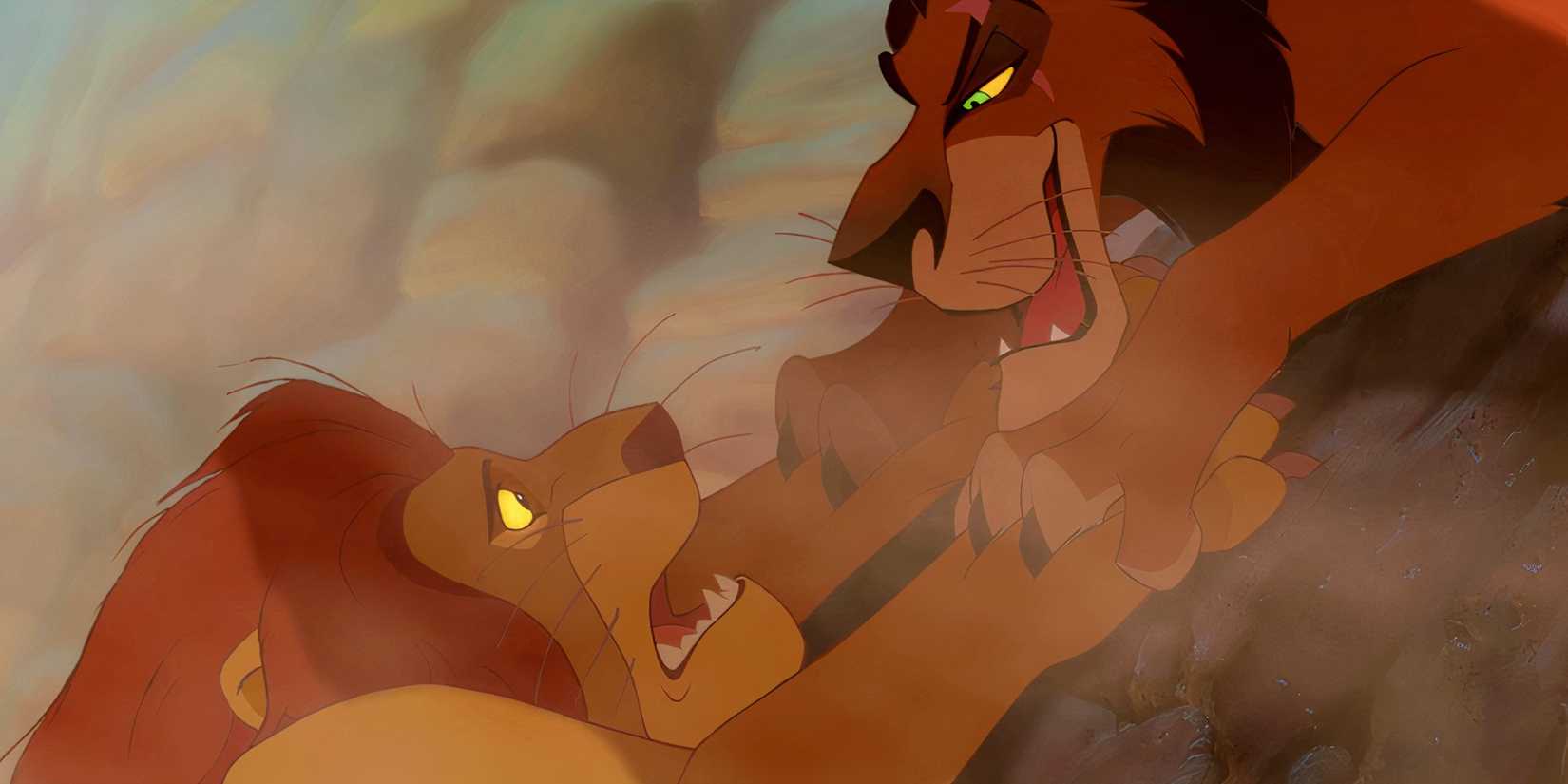
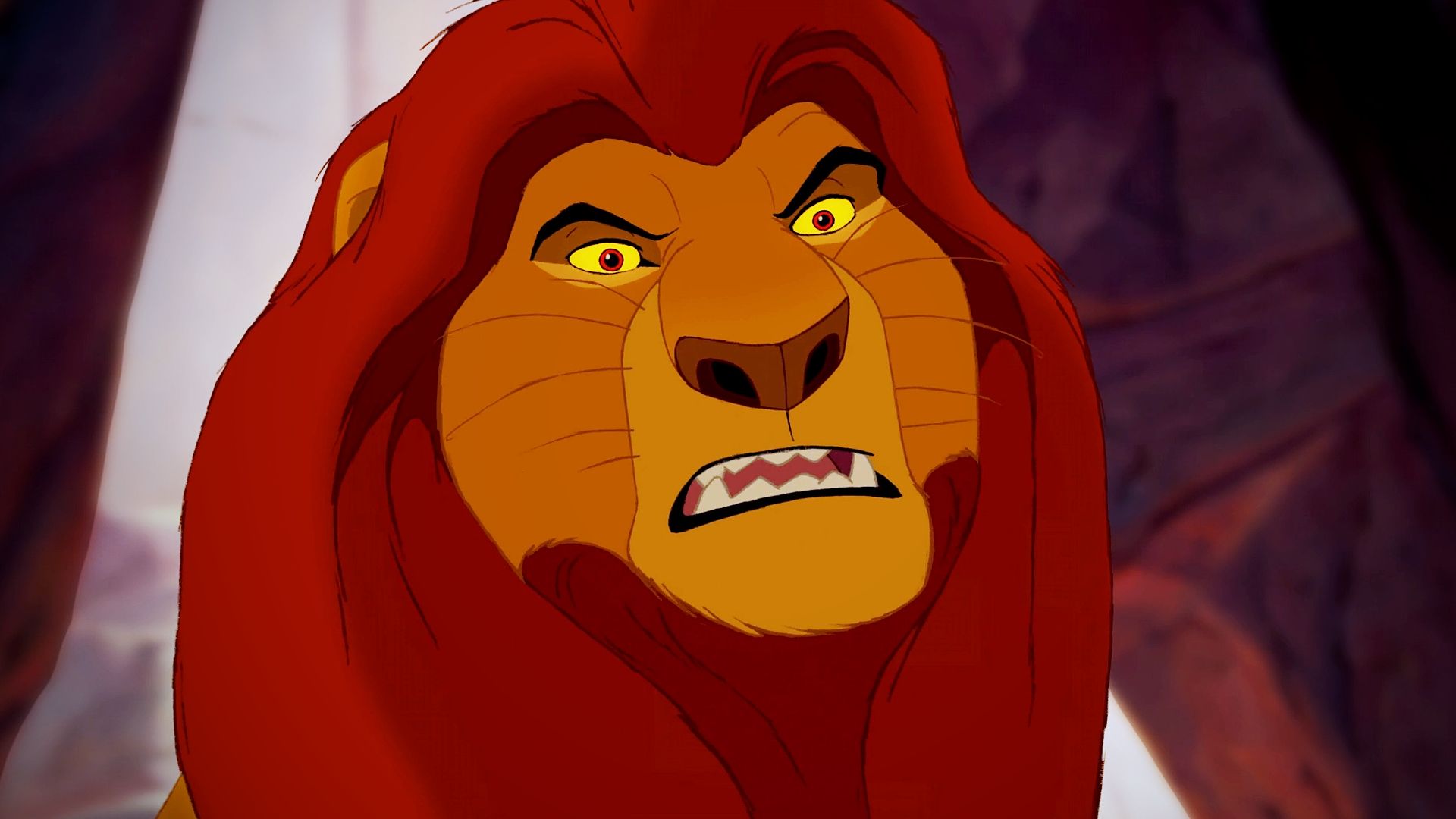
Death is a central theme in The Lion King, introduced right from the beginning. The movie starts with the song “Circle of Life,” which beautifully illustrates the natural cycle of birth, life, and death.
The story then shows the five stages of grief after Mufasa’s death. Simba initially tries to escape his pain, refusing to acknowledge his feelings of guilt and believing he isn’t good enough. Eventually, Rafiki the wise baboon helps Simba understand that while the past can still be painful, he can learn from it instead of avoiding it.
The mandrill wisely explains that Mufasa still lives on through Simba. Simba comes to terms with his sadness, lets go of his guilt, and promises to carry on his father’s legacy. The Lion King thoughtfully examines how grief can show up as feelings of shame and guilt.
Soul (2020)
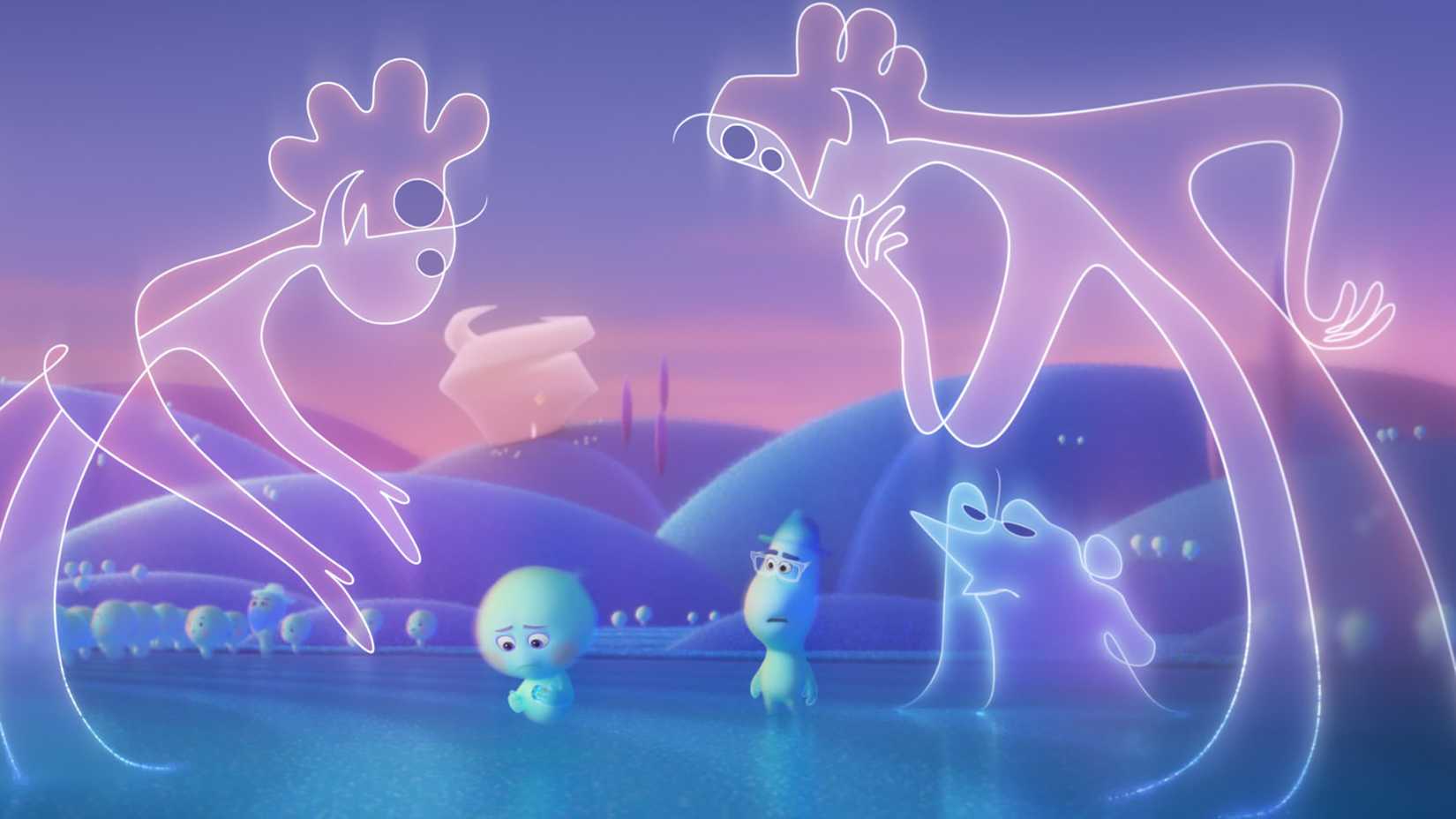
Pete Docter, a leading director at Pixar, is known for creating movies that deeply explore human emotions. His films, including Up (2009), Inside Out (2015), and Soul (2020), are particularly well-regarded for this. In Soul (2020), Docter uses the concept of death as a way to tell a story about appreciating life and finding its purpose.
Joe Gardner (Jamie Foxx), a passionate pianist and band instructor, thinks achieving his dream of musical success will finally make him happy. But after unexpectedly dying on his way to a crucial audition, he’s left in a sort of waiting place. It’s only after losing everything that Joe begins to appreciate the simple joys and true meaning of life.
While dealing with the serious topic of death, the film Soul emphasizes the beauty of life, passion, and what makes us human, making the subject matter more hopeful. The movie suggests that acknowledging death actually helps us appreciate life, and it also gently addresses the difficult idea that death can happen at any age, not just in old age.
Up (2009)

The movie Up beautifully, yet sadly, portrays the experience of loss. Early in the film, we see Carl and Ellie dream of starting a family, but they tragically lose their baby. The film shows them supporting each other as they cope with this difficult time, depicting a realistic and touching grieving process.
Later, in a truly devastating moment, Ellie dies. Carl is overcome with grief and withdraws from the world, mourning both his wife and the adventures they’ll never share. But then he finds a section in Ellie’s old adventure book containing photos of their happy life together, along with a note that reads, “Thanks for the adventure — now go have a new one.”
Ellie’s message highlights that true meaning in life is often found in simple, everyday joys. She also shares that even after a devastating loss, life can go on, even when it doesn’t feel like it’s possible.
Big Hero 6 (2014)

I absolutely love how Big Hero 6 tackles tough emotions, especially grief. It really resonated with me because it shows a realistic portrayal of loss through the relationship between brothers Tadashi and Hiro, who both share a passion for robotics. When Tadashi tragically dies, Hiro understandably withdraws, but he eventually finds a way to cope when he uncovers his brother’s secret healthcare robot. It’s one of the most honest depictions of grief I’ve seen in a kids’ movie.
Tadashi designed Baymax to be a complete caregiver, treating emotional and physical pain equally. After checking Hiro’s well-being, Baymax quickly recognized his sadness and addressed it like a medical issue.
Though Hiro tries to hide his sadness, Baymax gently reminds him that it’s okay to grieve. The movie’s exciting superhero action is actually built around Hiro dealing with loss, with the kind robot helping him through it. The fact that Tadashi doesn’t return emphasizes that death is permanent.
The Iron Giant (1999)

As a film buff, I’ve always loved The Iron Giant. It’s a beautiful story about a boy, Hogarth, who befriends a robot that literally falls from the sky. What really gets me is how Brad Bird cleverly uses the robot as a way for the audience, especially kids, to see the world through fresh eyes. Hogarth ends up teaching the Giant about everything – what’s good, what’s bad, and even the tough stuff like life and death. It’s a surprisingly profound film disguised as a fun animated adventure.
The Giant was heartbroken when a deer died, but his friend Hogarth explained that death is a part of life for everything that lives. “It’s wrong to cause death,” Hogarth said simply, “but dying itself isn’t wrong.”
The boy then shares the idea that death isn’t a complete ending, suggesting the existence of souls. According to Hogarth, these souls are present in all living creatures and continue to exist in some form indefinitely. His explanation of death is gentle enough for children to understand, yet emotionally resonant for adults.
Coco (2017)
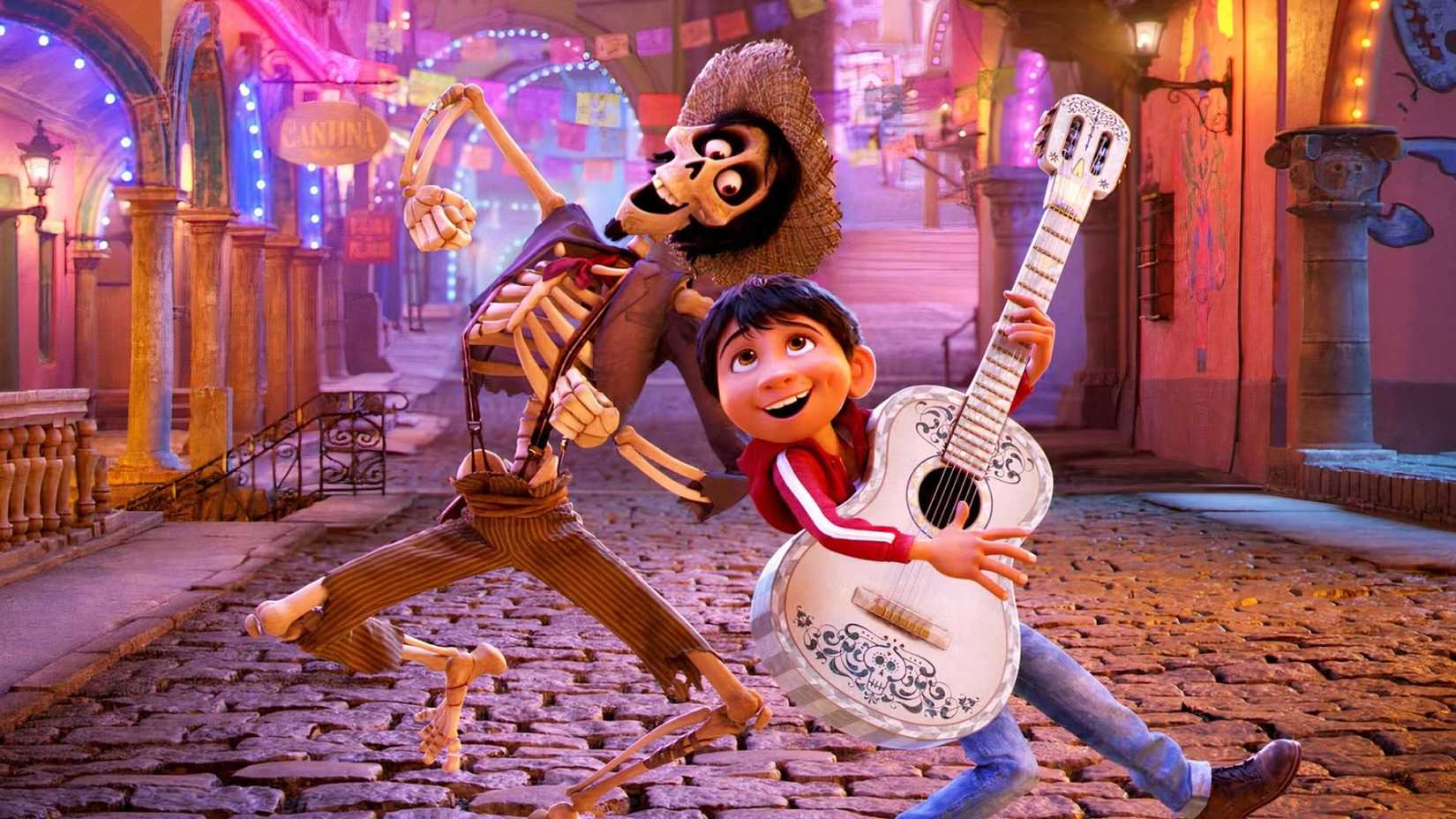
Coco is a heartwarming film that tackles the difficult subject of loss in a healthy and constructive way, mirroring advice from psychologists and emotional wellbeing experts, according to NBC News.
The movie Coco is set in Mexico during Día de los Muertos, or Day of the Dead, a celebration where families honor and remember those who have passed on. Unlike many films, Coco portrays death not as frightening, but as a natural and poignant part of life.
The movie Coco looks at what happens after death, not only in the beautiful afterlife it depicts, but also in how those who are gone live on in the memories of their families. Characters who have passed away continue to exist through shared stories and recollections passed down through generations, a theme beautifully captured in the film’s Oscar-winning song, “Remember Me.” Rather than focusing on sadness and loss, Coco, like many classic children’s films, celebrates the power of keeping loved ones’ memories alive.
- Significado y significado del tatuaje de Garrett Explicación de la historia del origen fuera del campus: ¿Qué significa “Nullum Gratuitum Prandium”?
- 13 películas que han recaudado mil millones de dólares en taquilla desde 2020, clasificadas
- Temporada 2 fuera del campus: confirmación, historia y desarrollo Todo lo que sabemos
- EUR CLP PRONOSTICO
- Guía de la banda sonora de la temporada 1 de Off Campus
- USD MXN PRONOSTICO
- USD CLP PRONOSTICO
- 10 K-Dramas que todo fanático del terror debe ver
- 10 mejores villanos de Superman que podrían ser héroes si quisieran
- EUR AUD PRONOSTICO
2026-05-20 20:50