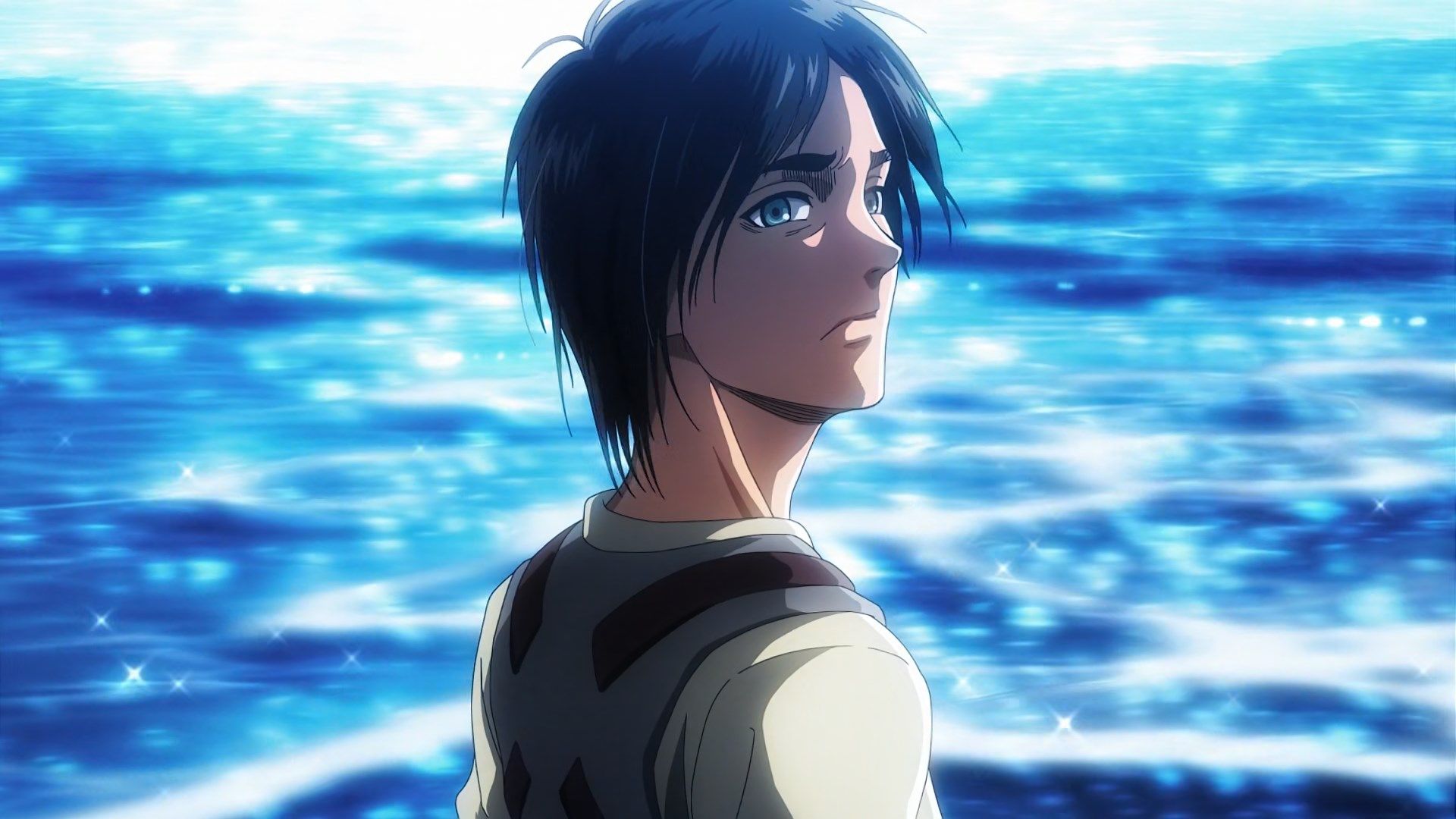
Esta no es una historia sobre héroes que siempre triunfan. Casi todos los personajes importantes enfrentan decisiones difíciles, experimentan pérdidas, causan dolor o quedan atrapados en algo más grande y defectuoso que ellos mismos. Esto es lo que hace que la serie sea tan cautivadora. Demuestra que las buenas intenciones no son suficientes: incluso los personajes bien intencionados pueden causar destrucción sin querer.
Muchos personajes de Attack on Titan parecen destinados a ser vistos como héroes o sacrificios, pero sus propias acciones finalmente arruinan esa imagen. Toman decisiones que no pueden deshacer. Lo verdaderamente desgarrador es que estos personajes no son necesariamente villanos; algunos simplemente están asustados y dañados, mientras que otros creen genuinamente que están haciendo lo mejor. Sin embargo, en última instancia, nadie en Attack on Titan puede decidir cómo serán recordados.
Zeke disfrazó su crueldad de misericordia
El deseo de Zeke Yeager de ser visto como amable es lo que hace que su historia sea tan inquietante. Tuvo una infancia profundamente infeliz, cargada de expectativas de sus padres, Grisha y Dina, antes de estar preparado. Crecer dentro del sistema de Marley también lo llevó a creer que ser Eldiano significaba una vida de sufrimiento. Zeke se desarrolló dentro de un mundo que le dio amplias razones para despreciar la vida misma. Si bien su dolor ayuda a explicar sus acciones, no las excusa.
Zeke cree que está ayudando a los eldianos al evitar que las generaciones futuras experimenten el dolor y el conflicto que los han atormentado. Presenta esto como un acto compasivo: poner fin al ciclo de sufrimiento negándoles un futuro. Sin embargo, su plan viola fundamentalmente el derecho a la vida de todo un grupo de personas. A pesar de su inteligencia, tristeza y carisma, Zeke finalmente enmarca la muerte como una bondad.
El trauma de Floch se convirtió en la excusa de su crueldad
Floch Forster inesperadamente vive un ataque suicida contra el Titán Bestia y es testigo de la muerte de innumerables jóvenes soldados. Esta desgarradora experiencia lo afecta profundamente, brindándole una comprensión única y dolorosa del verdadero costo del sacrificio. Por un tiempo, esto lo convierte en un personaje convincente, ya que se da cuenta de que la guerra no se trata de valentía, sino de algo mucho más brutal.
La ira de Floch, aunque a menudo severa, es comprensible dada la pérdida de Erwin y los sacrificios hechos por Paradis. Reconoce que la supervivencia de Paradis depende de que las personas mueran por un propósito mayor. Sin embargo, en lugar de defender a los soldados asustados que no pidieron ser héroes, Floch abraza el poder y se convierte en un extremista destacado. En última instancia, se le recuerda como un fanático que alimentaba el miedo con crueldad.
La rebelión de Zachary fue envenenada por la venganza
Dhalis Zachary deserved a better reputation. He played a key role in dismantling a deceitful royal system that kept the people of Paradis in the dark and living a lie. While his actions were pivotal in bringing about a major political change and exposing the truth, his legacy is unfortunately more complicated.
Despite fighting for change, Attack on Titan doesn’t portray Zachary as a purely heroic figure. He isn’t motivated by justice alone, but by a strong resentment towards the previous leaders. Once in power, he’s shown to be quite cruel, and his actions after taking control reveal his rebellion was largely fueled by a desire for revenge. This complicates his character, demonstrating that simply removing a bad system doesn’t guarantee good leadership will follow.
Bertholdt Chose Obedience Over the Humanity He Still Had
Bertholdt Hoover’s story is particularly heartbreaking because he’s always aware of the consequences of his actions. Unlike Reiner, who is more forceful, or Annie, who initially seems detached, Bertholdt doesn’t try to take charge. He often appears burdened by his own guilt, which makes him a tragic figure. However, this awareness also makes it difficult to justify his decisions, because he understands the people within the Walls aren’t evil.
Bertholdt genuinely connects with those who trust him, which is what makes his involvement in the tragedies of Wall Maria and Trost so disturbing. He causes immense suffering, then spends years confronting the human side of those he’s harmed. Ultimately, he undermines any positive impact he might have had by prioritizing obedience over doing what’s right. He’s aware of the consequences of his actions, but his unwavering obedience prevents him from finding redemption.
Grisha Passed His Trauma Down Until It Became Everyone’s Problem
Grisha Yeager is a deeply tragic figure in Attack on Titan, and also a flawed father. He endures a terrible childhood under Marley, suffers the loss of his sister, and learns firsthand how harsh the world is to those of Eldian descent. While his rage and desire for revenge are understandable, Grisha ultimately harms his own legacy by burdening his children with his trauma. His relationship with Zeke is an early example of this damaging pattern.
Grisha forces Zeke to join the Restorationist movement, and then places immense pressure on both of his sons, hoping they’ll fulfill the adults’ ambitions. This burden ultimately leads to Zeke’s betrayal and the downfall of the Restorationists. Later, Grisha attempts to be a better father to Eren, but still unintentionally passes on a heavy and damaging legacy. Even when Grisha doubts his path, he contributes to the events that eventually cause the devastating Rumbling.
King Fritz Built an Empire and Left Behind Nothing but Horror
The horrors in Attack on Titan all stem from the world created by King Fritz. He established his power through early acts of cruelty, and his mistreatment of Ymir is the root cause of generations of suffering. He exploited a frightened girl to build his empire, and even after her death, he continued to use her, transforming her remains into a legacy passed down through his daughters, forcing them to inherit the power of the Titans.
The immense power of the Titans is passed down through families, fueling Eldia’s rise through conquest. Later, Marley exploits the same fear and resentment to create its own oppressive system. This sets the world on a repeating cycle of violence, all stemming from a king who treated a young woman’s suffering as something to own. King Fritz didn’t just tarnish his own reputation; he condemned future generations. His lasting impact is one of domination, and the world has suffered for millennia because of it.
Eren Became the Monster He Once Swore to Destroy
Watching Eren Yeager’s story unfold in Attack on Titan is truly heartbreaking. He starts as a kid with a simple, powerful desire: freedom. His initial anger felt justified, after all, he witnessed the horrific death of his mother and lived in a world where humanity was caged. Young Eren was definitely impulsive and quick to fight, but his rage was directed at what seemed like pure evil – the Titans themselves. But as the story expands and we learn more about the world, Eren’s decisions take a much darker turn, and it’s devastating to witness.
Discovering the truth transforms Eren’s desire for freedom into a far more destructive goal. He stops simply wanting to eliminate Titans and begins to seek the complete safety of Paradis, even if it requires harming many innocent people globally. While Eren believes he’s driven by fate and a predetermined future, it doesn’t excuse his actions.
- Significado y significado del tatuaje de Garrett Explicación de la historia del origen fuera del campus: ¿Qué significa “Nullum Gratuitum Prandium”?
- Guía de la banda sonora de la temporada 1 de Off Campus
- Temporada 2 fuera del campus: confirmación, historia y desarrollo Todo lo que sabemos
- EUR CLP PRONOSTICO
- 10 K-Dramas que todo fanático del terror debe ver
- USD MXN PRONOSTICO
- 8 próximas películas de zombis que llegarán a los cines en 2026
- 13 películas que han recaudado mil millones de dólares en taquilla desde 2020, clasificadas
- USD CLP PRONOSTICO
- USD CAD PRONOSTICO
2026-05-22 21:42